Predicting Customer Behavior: Improves the Accuracy of Your Business Decisions
Of course! In the business world, the use of data to predict customer behavior is a key strategy that can help improve the efficiency and accuracy of marketing decisions. This is done by using advanced data analysis techniques.
In particular, in terms of understanding customers, their behaviors, and their needs, accurate customer behavior prediction is essential.
It can be used for all businesses. In this content, the admin will first talk about the consumer goods business group.
Techniques for Predicting Customer Behavior
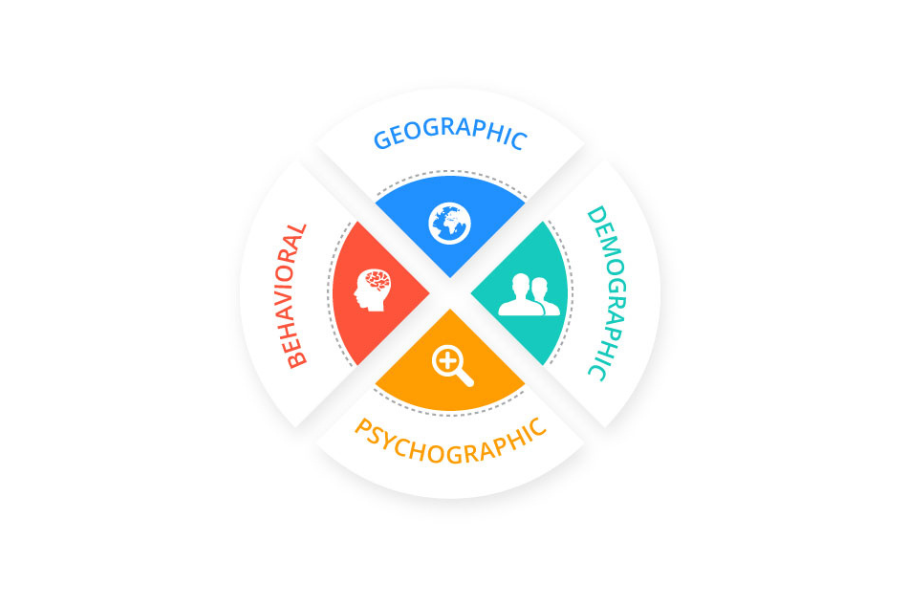
Customer Segmentation: Dividing customers into groups based on their characteristics, preferences, and behaviors to better target products, services, and offers. This can help improve the accuracy of predictions.
Predictive Modeling: Using machine learning techniques to create models that can learn from data and predict customer behavior in the future. For example, this can be used to predict which customers are likely to repurchase or churn
Sentiment Analysis: Analyzing customer sentiment and emotions from data on social media, reviews, and other channels to assess satisfaction and predict future behavior.
ประโยชน์ของการ Predict Customer Behavior
Increased marketing effectiveness: By using data to inform marketing strategies, campaigns, and communications, businesses can target their efforts more effectively, improve results, and save money.
Improved customer experience: By predicting customer needs and offering products, services, and offers that meet those needs, businesses can increase customer satisfaction and loyalty.
Reduced risk in decision-making: Accurate data can help businesses make informed decisions, reduce investment risk, and increase their chances of success.
Improved supply chain efficiency: By accurately predicting demand, businesses can adjust production and distribution accordingly, which can reduce costs and the risk of stockouts.
Using data to predict customer behavior can be done by collecting data from various sources, such as:
Sales and marketing data, such as sales, inventory levels, customer spending, and marketing campaigns, such as advertising campaigns and promotions.
Customer behavior data, such as purchase history, demographic information, and consumer interests.
Market conditions data, such as economic conditions, climate conditions, and consumer trends.
Examples of customer purchase behavior analysis:
Analyze what types of products customers often purchase together.
Analyze when customers typically purchase products.
Analyze how customers typically purchase products.
Analyze social media behavior data.
Social media behavior analysis is the process of collecting and analyzing data about how consumers interact with social media. This data can be used to understand consumer interests, preferences, and needs. Businesses can use social media behavior analysis to identify trends in consumer behavior and to develop more effective marketing campaigns.
Examples of social media behavior analysis:
Analyze what types of products consumers talk about on social media.
Analyze how consumers comment about products.
Analyze which groups of consumers share information about products.
Demographic analysis.
Demographic data, such as gender, age, income, and education level, can be used to identify trends and customer purchase behavior. Businesses can use demographic data to analyze their target market and predict customer needs more accurately.
Examples of demographic analysis:
Analyze which gender is more likely to purchase which types of products.
Analyze which age group is more likely to purchase which types of products.
Analyze which income level is more likely to purchase which types of products.
Customer insights analysis.
Customer insights analysis, such as customer feedback, comments, needs, etc., can help businesses understand customer needs more deeply. Businesses can use customer insights to develop products and services that meet customer needs effectively.
Examples of deep customer data analysis involves administering surveys to customers and then analyzing the data to understand:
What additional product features customers desire.
Which aspects of the product customers are dissatisfied with.
Customer opinions about the product.
This analysis aims to gain insights into customer preferences and perceptions to enhance product development.
Examples of businesses that use data to predict customer behavior:
Food manufacturers may use sales data and customer behavior data to identify trends in food consumption. For example, if consumers are increasingly consuming healthy foods, food manufacturers may use this data to develop new healthy food products to meet consumer demand.
Beverage manufacturers may use sales data and customer behavior data to identify periods of high demand for beverages. For example, during festivals, holidays, or hot weather, beverage manufacturers may use this data to plan production and distribution to meet demand.
Cleaning product manufacturers may use sales data and customer behavior data to identify trends in home cleaning. For example, if consumers are cleaning their homes more often, cleaning product manufacturers may use this data to develop more effective and safe cleaning products.
In the current era, Fast-Moving Consumer Goods (FMCG) companies that effectively harness data can achieve precise demand forecasting and consumer insight, allowing for strategic adaptation and a competitive edge.
The STP marketing strategy is an approach to effectively and accurately communicate the value of a product to the right target audience. It focuses on selecting the most valuable target customers for the business.
In a world overflowing with information leave us lost and unsure of the best path forward. But there's a beacon illuminating this chaos: data-driven decision making.